Tag: History
-
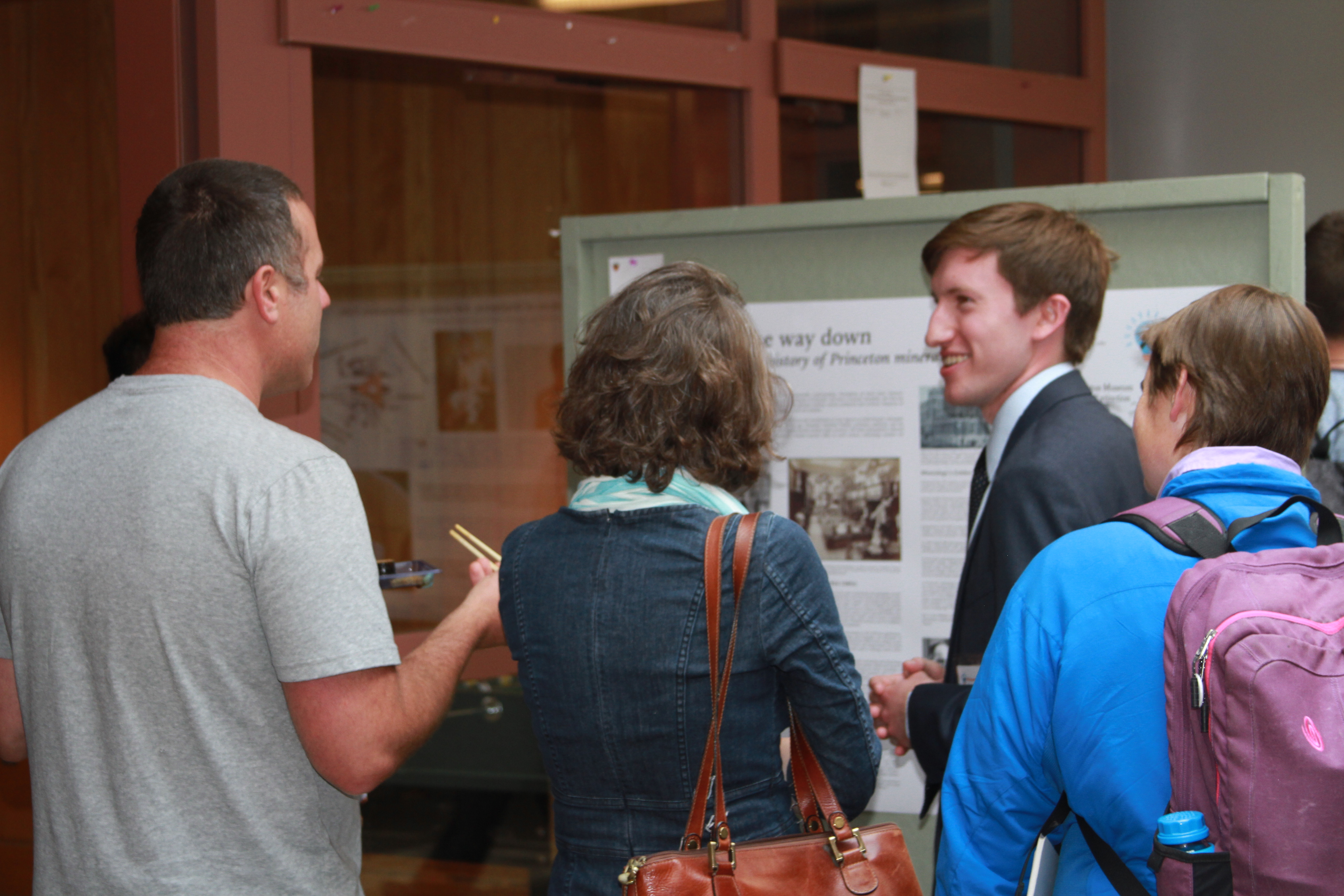
Earth science history exhibition featured at Princeton Research Day on May 10, 2018
On May 10, 2018, I had the pleasure of presenting a poster entitled “Rocks all the way down: The earthshaking history of Princeton mineralogy” at the 3rd annual Princeton Research Day event. Charting the history of Princeton mineral and earth science from the early American republic to today, “Rocks all the way down” showcases how…
-
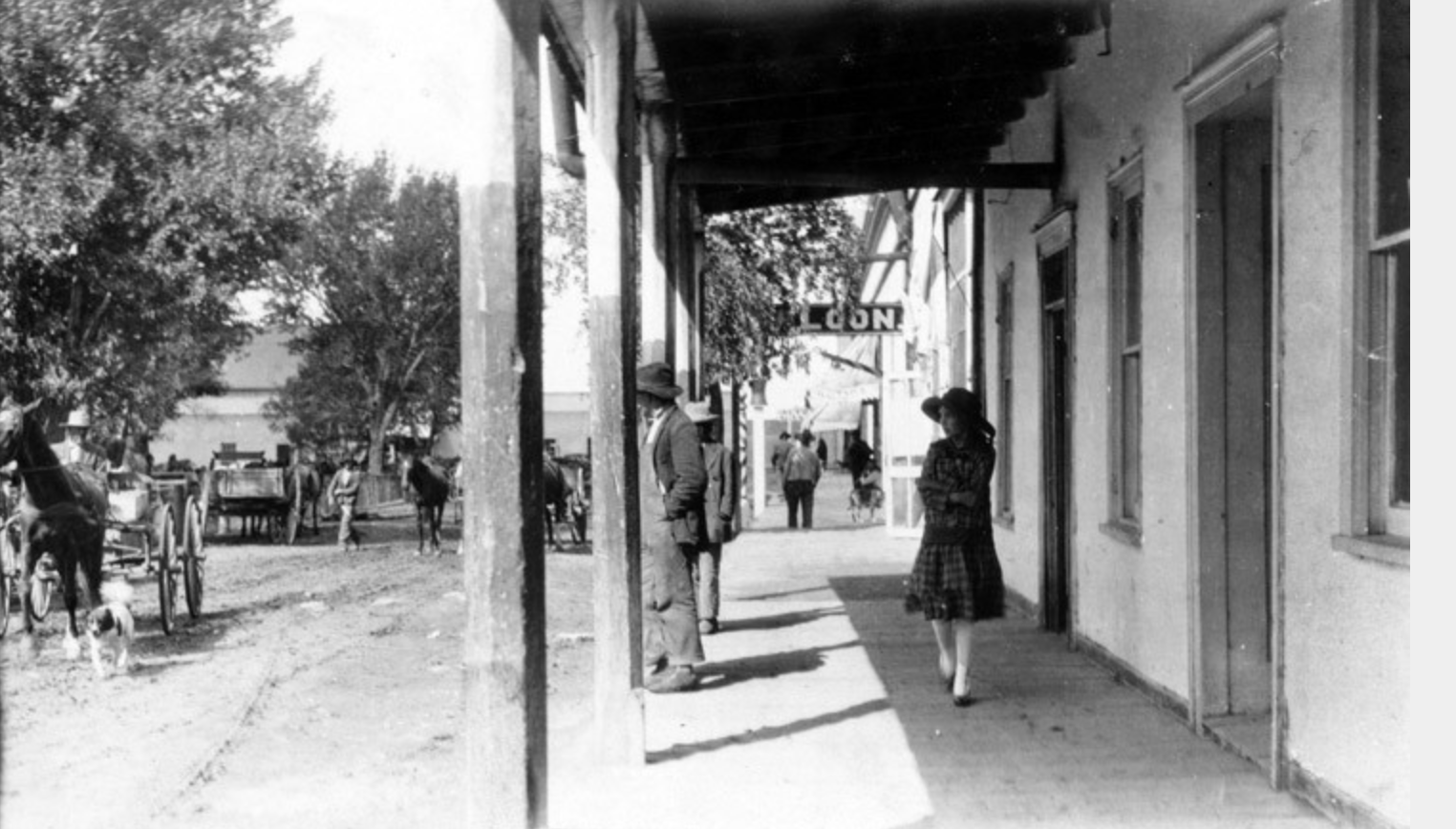
Read “‘Taos 2010’ dreams revisited” in The Taos News
In 1989, The Taos News asked residents to predict what Taos would be like 20 years into the future. Nearly three decades later, I asked them how it all turned out—and what they now hope for in the years to come. What emerges is a startling portrait of a community’s transformation over the years, and…
-
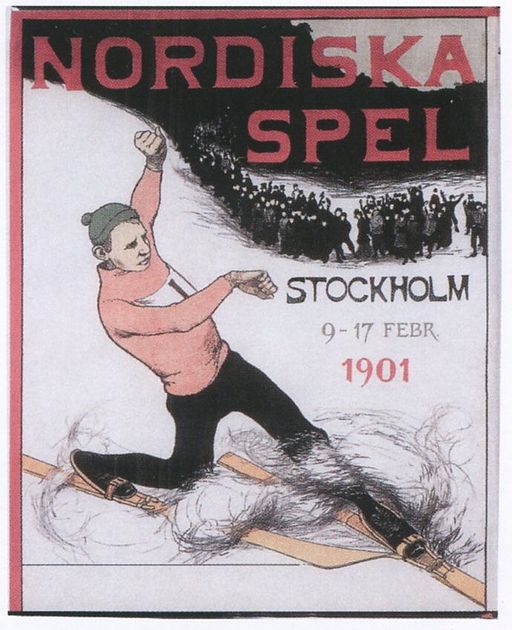
Read “The ‘First’ Winter Olympics: How Chamonix 1924 iced out a rival Nordic competition” on Medium
The Olympic Games. Out of all international sporting events, those three words possess the most fanfare. They evoke tradition, history—and the symbolic flame. But if the Olympics are inspired from an ancient Greek tradition, then how did the Winter Games—featuring hockey, skating and curling—come to be? The answer is complicated, and it’s the subject of my latest…
-

Read “The Museum of the Bible is an intellectual travesty” on Medium
The Museum of the Bible is Washington, D.C.’s newest museum. Behind the glittering exterior, however, is the museum’s troubling and controversial narrative.
-
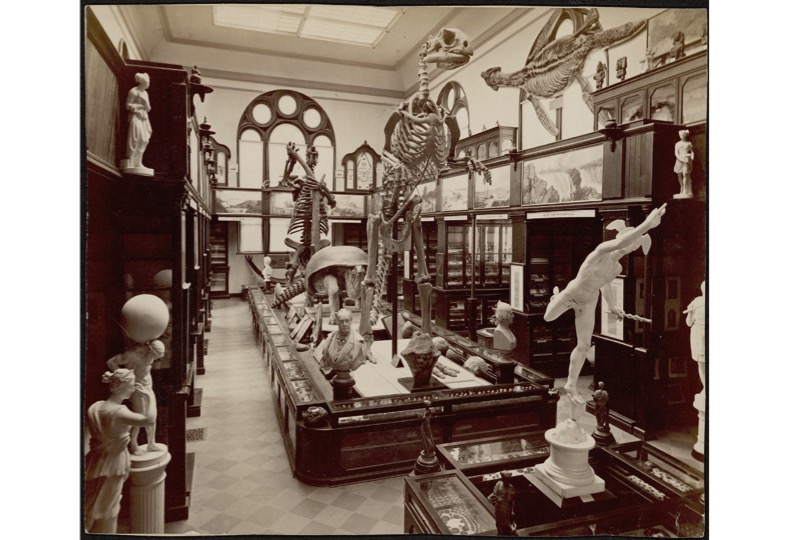
Read “Princeton’s Lost Museum: Arnold Guyot’s E.M. Museum” in the Princeton Historical Review
Within the Princeton University community, it is relatively well-known that Nassau Hall, the university’s flagship building, was once the site of a Revolutionary War battle and served as the capitol building of the United States. It is far less recognized as the former home of one of the first natural science museums in America, much…
-

Watch “Princeton’s Lost Museum” lecture
On May 11, 2017, I presented my junior research project, “Princeton’s Lost Museum: Arnold Guyot and the History of American Natural Science.” Watch the talk by following the link below, courtesy of Georgette Chalker. https://mediacentral.princeton.edu/media/Princeton%27s+Lost+MuseumA+Arnold+Guyot%27s+E.+M.+Museum+and+the+history+of+American+natural+science/1_ykcgzkin